Featured

Understanding Your Rights Under New Credit Reporting Guidelines
Table of Contents
Adapting to the Financial Realities of 2026
The economic shifts of 2026 have presented brand-new variables into the math of individual financing. High interest rates and altering employment patterns mean that standard methods of maintaining a high credit report frequently fall brief. Families across the nation now deal with a truth where credit accessibility is tighter and scoring designs are more conscious small changes in costs habits. Understanding these shifts is the initial step toward reconstructing a monetary structure that can endure future volatility.
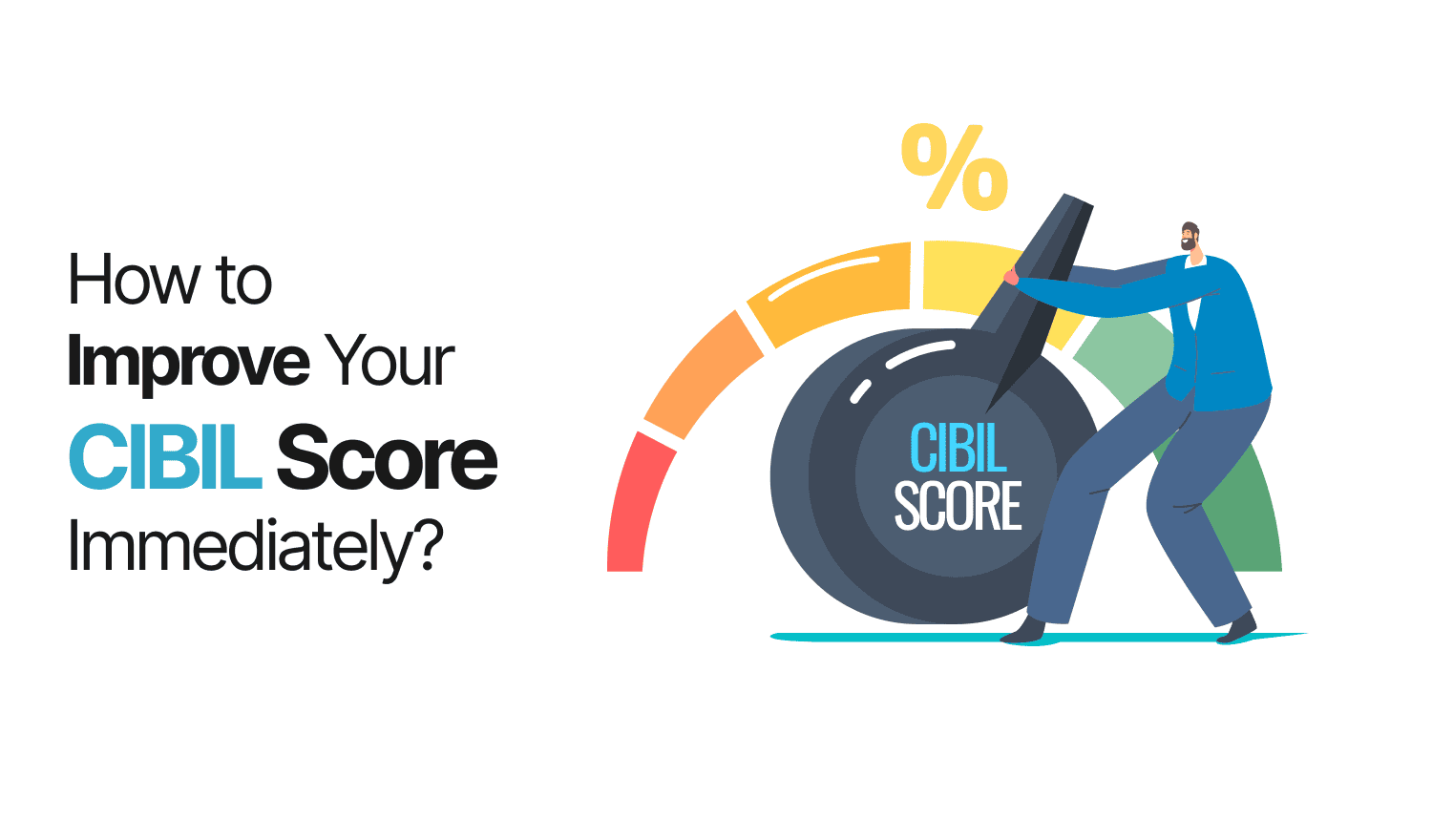
Credit ratings in 2026 are no longer just a reflection of whether bills are paid on time. Modern scoring algorithms now place heavier focus on the ratio of financial obligation to available credit and the frequency of brand-new credit queries. For locals in the local market, remaining ahead of these modifications needs a proactive technique to debt tracking. Numerous people find that even small oversights on small accounts can cause disproportionate drops in their overall rating, making it more difficult to secure real estate or vehicle loans.
Strategic Budgeting in the surrounding area
Budgeting in the existing year requires a level of precision that was less crucial in the past. The increase of subscription-based services and variable energy expenses has made it tough to track every dollar without a structured plan. Effective financial management in 2026 includes classifying expenses into repaired needs and versatile expenses while strictly restricting making use of high-interest revolving credit. Keeping concentrate on Financial Literacy frequently yields long-lasting benefits for those trying to recuperate from previous economic recessions.
A common strategy involves the 50/30/20 guideline, though many monetary consultants in 2026 suggest changing these percentages to account for greater housing expenses. Designating half of income to needs, 30 percent to wants, and 20 percent to financial obligation payment or savings supplies a clear map for day-to-day spending. In the region, where regional economic aspects differ, personalizing this ratio to fit particular cost-of-living modifications is needed for sustainable growth.
The Function of Credit Therapy and Expert Oversight
Navigating the complexities of the 2026 credit market frequently needs outdoors proficiency. Organizations like APFSC.ORG operate as U.S. Department of Justice-approved 501(c)(3) not-for-profit credit counseling firms. These entities offer a variety of services developed to help individuals restore control without the predatory fees often connected with for-profit repair work business. Their offerings include totally free credit therapy, debt management programs, and pre-bankruptcy therapy. Because they are nonprofit, the focus remains on the monetary health of the customer instead of the bottom line of the agency.
Financial obligation management programs are particularly efficient in the current high-interest environment. These programs work by combining numerous regular monthly responsibilities into a single payment. The agency negotiates directly with lenders to minimize rate of interest, which can significantly shorten the time needed to become debt-free. Local Financial Literacy Resources provides structured guidance for those overwhelmed by month-to-month commitments, making sure that every payment made goes even more towards decreasing the principal balance.
Improving Scores through Controlled Debt Management
When a person goes into a debt management plan, the goal is to show creditors a constant pattern of reliability. While these programs in some cases need closing specific charge account, the long-lasting effect on a credit rating is generally favorable since it removes late payments and reduces total debt levels. By 2026, creditors have become more going to deal with nonprofit agencies because it increases the probability of recuperating the funds owed. This cooperation benefits the customer by providing a clear course out of high-interest traps.
Financial literacy stays a cornerstone of the services offered by these companies. Education on how interest substances and how credit usage impacts scores permits people to make much better options once their debt is under control. People living in the local area can access these resources through regional partnerships in between national nonprofits and community groups. This localized technique makes sure that the recommendations offered reflects the particular financial conditions of the area.
Real Estate Stability and HUD-Approved Counseling
Housing remains one of the biggest monetary hurdles in 2026. For those looking to buy a home or perhaps rent a new apartment or condo, a credit report is typically the primary gatekeeper. HUD-approved housing counseling offers a way for possible house owners to get ready for the home loan procedure. These therapists examine a person's financial circumstance and supply a roadmap for improving credit to satisfy the requirements of contemporary loan providers. Locals in the immediate region often rely on Financial Literacy for San Francisco to browse credit repair work particularly tailored toward real estate goals.
Beyond buying, housing therapy likewise assists those dealing with foreclosure or eviction. By functioning as an intermediary in between the citizen and the lending institution or property manager, therapists can in some cases discover options that protect the individual's credit history from the destructive effect of a legal judgment. This kind of intervention is a crucial element of the across the country services offered by agencies like APFSC, which keeps a network of independent affiliates to reach varied communities across all 50 states.
Long-lasting Practices for Financial Durability
Reconstructing credit is not a one-time event however a series of small, consistent actions. In 2026, the most durable individuals are those who treat their credit rating as a living file. Examining reports frequently for mistakes is necessary, as the automation of credit reporting has led to an increase in technical errors. Disputing these errors through the proper channels can lead to instant rating improvements with no change in real spending habits.
Diversifying the types of credit held is another strategy utilized in 2026 to increase scores. While carrying a balance is not advised, having a mix of revolving credit and installation loans shows a history of managing different types of financial obligation. For those beginning over, protected charge card have become a basic tool. These cards need a cash deposit that acts as the credit line, permitting the user to construct a payment history without the risk of overspending.
The economic shifts of 2026 have actually proven that financial security is never ever ensured. By utilizing the resources supplied by nonprofit firms and adhering to strict budgeting concepts, it is possible to maintain a strong credit profile. Whether through financial obligation management, monetary literacy education, or housing therapy, the tools for healing are offered to those who seek them. Consistency and notified decision-making remain the most reliable methods to navigate the current financial environment and get ready for whatever economic modifications might come next.

Latest Posts

Is Home Equity the very best Method to Combine?

Mindful Spending Methods for Locals of Your State
Avoiding Debt Relapse for Regional Homeowners